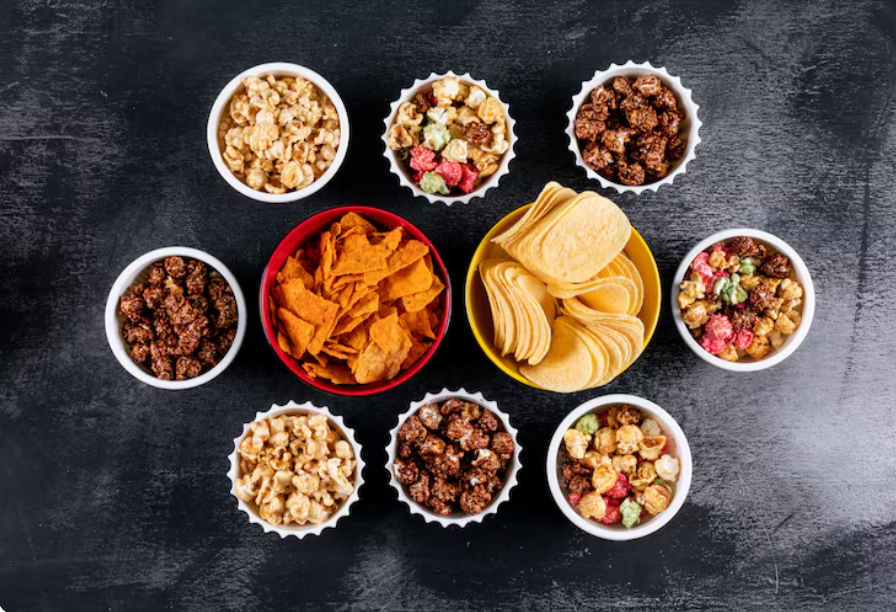
Understanding the Purpose of In Between Meals
Eating between main meals is often misunderstood. Many people view it as unnecessary or unhealthy, yet it plays an important role in maintaining balance. Snacks can help manage hunger, prevent overeating later, and keep energy levels stable. When chosen with awareness, they support the body rather than disrupt healthy routines.
Energy Support Throughout the Day
Long gaps between meals can lead to fatigue, low concentration, and irritability. Light eating moments provide fuel that helps the body stay active and alert. Instead of relying on sugar or caffeine, nutrient rich options offer steady energy. Snacks consumed at the right time help avoid sudden energy crashes and support consistent performance.
Impact on Focus and Mental Clarity
The brain requires regular nourishment to function efficiently. When energy levels drop, focus and decision making suffer. Small, balanced food choices between meals help maintain concentration, especially during long work hours or study sessions. Snacks that include protein and fiber support mental clarity without overwhelming the digestive system.
Supporting Portion Control at Main Meals
Skipping food between meals often leads to overeating later. When hunger builds excessively, people tend to make impulsive choices and eat larger portions. Thoughtful eating moments reduce extreme hunger and encourage mindful decisions at lunch or dinner. Snacks act as a bridge that keeps appetite in check and supports balanced intake.
Choosing Quality Over Convenience
Not all options are created equal. Highly processed items may offer quick satisfaction but lack nutritional value. Whole ingredients such as fruits, nuts, yogurt, and grains provide essential nutrients and lasting fullness. Making informed choices ensures that Snacks contribute positively to daily nutrition rather than adding empty calories.
Adapting to Different Lifestyles
Daily routines vary from person to person. Active individuals may need additional fuel, while desk based workers benefit from lighter options. Travel, work schedules, and physical activity levels all influence timing and quantity. Snacks can be adjusted to fit personal needs, making them flexible tools for maintaining balance.
Emotional Awareness and Mindful Eating
Eating out of boredom or stress is common. Becoming aware of emotional triggers helps build a healthier relationship with food. Choosing nourishing options intentionally turns snacking into a supportive habit rather than a reflex. Snacks enjoyed mindfully can satisfy both physical and emotional needs without guilt.
Supporting Metabolism and Nutrient Intake
Regular nourishment helps maintain metabolic activity. Small food portions spread throughout the day can improve nutrient absorption and digestion. This approach supports stable blood sugar levels and overall metabolic health. Snacks play a role in ensuring the body receives consistent nourishment.
Encouraging Healthier Daily Habits
Consistency in eating patterns leads to better long term outcomes. Planning small meals in advance reduces reliance on unhealthy choices. Snacks prepared with care support routine, discipline, and awareness. Over time, this habit influences overall lifestyle and well being.
A Simple Habit With Lasting Benefits
Thoughtful eating between meals is not about excess but intention. Snacks chosen wisely support energy, focus, and balance throughout the day. When treated as part of a healthy routine, Snacks become a powerful tool that improves daily performance and long term health without complication.