A Culinary Legacy Shaped by History
Italy’s cooking tradition is rooted in centuries of history influenced by geography, trade, and local customs. Each region developed its own approach based on climate and available ingredients. From coastal areas to mountain villages, recipes evolved naturally and were passed through generations. Italian Food emerged from this rich past as a cuisine that values authenticity, patience, and respect for tradition.
The Power of Simple Ingredients
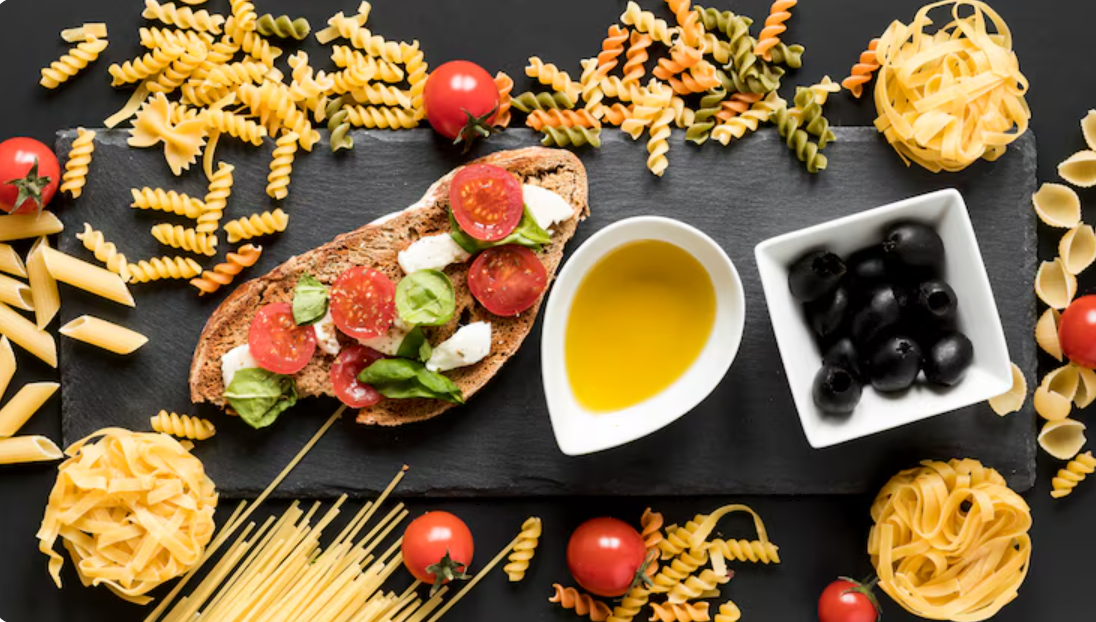
One defining feature of Italian cooking is its reliance on a small number of high quality ingredients. Fresh vegetables, herbs, olive oil, grains, and cheeses form the backbone of many dishes. Instead of complex preparation, the focus remains on preserving natural flavor. This simplicity allows each ingredient to shine and creates meals that feel both comforting and refined.
Regional Diversity and Local Pride
Italian cuisine cannot be limited to a single style. Northern regions often favor creamy textures and rice based dishes, while southern areas highlight tomatoes, olive oil, and vegetables. Central regions balance rustic flavors with elegant techniques. This diversity reflects local identity and pride, proving that Italian Food is a collection of regional stories rather than one uniform tradition.
Family, Tradition, and the Shared Table
Meals play a central role in Italian family life. Cooking is often a shared responsibility, and recipes are treasured heirlooms. The dining table becomes a place for connection, conversation, and continuity. These traditions reinforce the idea that food is not only about nourishment but also about relationships and shared experiences.
Balance Between Indulgence and Health
Italian meals are known for being satisfying without being excessive. Portions are moderate, and meals are often balanced with vegetables, grains, and proteins. Olive oil is used instead of heavier fats, and fresh produce adds nutritional value. Italian Food reflects a lifestyle that values enjoyment while maintaining physical balance and well being.
A Culture of Slow and Mindful Eating
Dining in Italy is rarely rushed. Meals are meant to be enjoyed slowly, allowing people to appreciate flavor and company. This mindful approach improves digestion and enhances satisfaction. Eating becomes an experience rather than a task, encouraging presence and gratitude during meals.
Global Influence Without Losing Identity
Italian cuisine has traveled across the world and influenced countless food cultures. While adaptations exist to suit local tastes, the core principles remain intact. Restaurants worldwide celebrate Italian Food because it feels familiar, adaptable, and comforting. Its ability to evolve without losing authenticity contributes to its global appeal.
Creativity Rooted in Tradition
Innovation thrives within Italian cooking, but it rarely abandons tradition. Chefs experiment with presentation and technique while respecting classic foundations. This balance between old and new keeps the cuisine relevant and exciting. Creativity enhances tradition rather than replacing it, ensuring continuity across generations.
Emotional Connection Through Flavor
Many people associate Italian dishes with warmth, comfort, and celebration. The aromas and flavors evoke memories of family meals and special occasions. This emotional connection explains why Italian Food resonates across cultures and age groups, creating a sense of familiarity even for first time experiences.
A Timeless Presence in World Cuisine
The enduring charm of Italian cuisine lies in its honesty and balance. Italian Food represents heritage, simplicity, and connection without relying on excess or trends. Its global influence continues to grow because it speaks to universal values of quality, care, and shared enjoyment. Through tradition and adaptability, it remains a timeless pillar of world cuisine.