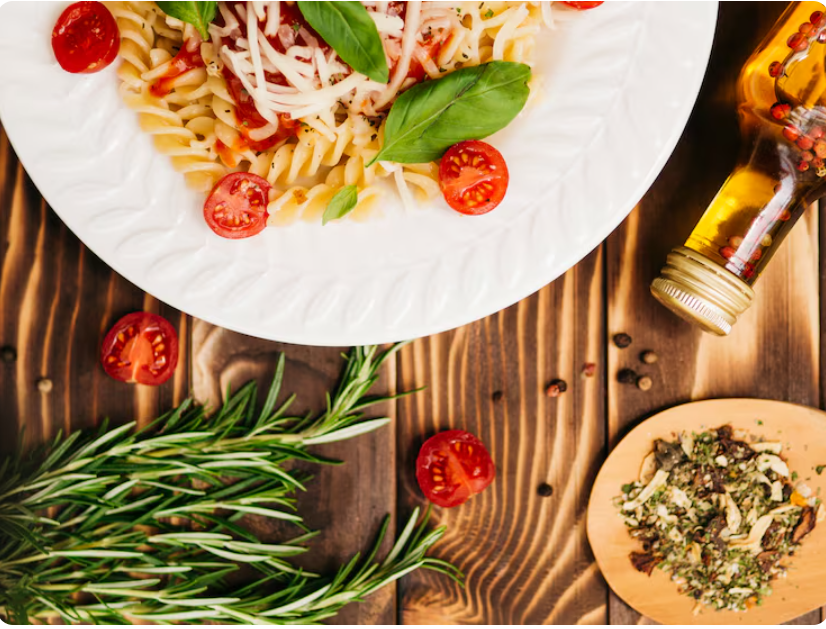
A Culinary Tradition Shaped by History
Italy’s cooking heritage developed over centuries through regional customs, local ingredients, and family traditions. Recipes were shaped by geography, climate, and availability rather than luxury. Simple meals prepared with care became a reflection of daily life. Italian Food grew from this history, preserving authenticity while allowing each region to express its own identity through flavor and technique.
The Importance of Fresh Ingredients
Quality ingredients are at the heart of Italian cooking. Seasonal vegetables, ripe tomatoes, olive oil, herbs, and grains form the base of many dishes. Rather than masking flavors with heavy seasoning, Italian cooking highlights natural taste. This approach respects the ingredient itself and creates meals that feel light yet satisfying.
Regional Diversity and Local Identity
Northern, central, and southern regions all offer distinct culinary styles. The north favors rich textures, rice, and butter influenced by cooler climates. Central regions balance simplicity with bold flavors, while the south emphasizes tomatoes, olive oil, and vegetables shaped by warmer weather. This regional diversity ensures that no single style defines the entire cuisine.
Family and Tradition at the Table
Meals are deeply connected to family life and shared experiences. Recipes are often passed down through generations, preserving personal stories and memories. Cooking becomes an act of love and connection rather than obligation. The table serves as a gathering place where relationships are strengthened and traditions continue.
Balance Between Flavor and Nutrition
Italian meals focus on balance rather than excess. Portions are moderate, and meals often include vegetables, grains, and proteins in harmony. Olive oil replaces heavier fats, and fresh produce adds nutritional value. Italian Food reflects a lifestyle that values enjoyment while maintaining physical well being through thoughtful choices.
Simplicity as a Culinary Philosophy
One of the defining characteristics of Italian cooking is simplicity. Many iconic dishes use only a few ingredients, relying on technique and timing instead of complexity. This philosophy teaches that great flavor does not require overcomplication. Attention to detail and respect for ingredients make each dish memorable.
The Social Experience of Dining
Eating is considered a social ritual rather than a rushed activity. Meals are enjoyed slowly, encouraging conversation and presence. This mindful approach enhances satisfaction and reduces stress. Dining becomes an experience that nourishes both body and relationships, reinforcing the cultural importance of shared meals.
Global Influence and Timeless Appeal
Italian cuisine has influenced kitchens around the world while maintaining its core values. Adaptations appear globally, yet the original principles remain respected. Italian Food continues to appeal because it feels familiar, comforting, and adaptable without losing authenticity. Its timeless nature allows it to fit modern lifestyles while honoring tradition.
A Reflection of Passion and Heritage
Cooking in Italy reflects passion for quality, respect for history, and appreciation for balance. Each meal tells a story of place, people, and purpose. Italian Food stands as a reminder that great cuisine is not about extravagance but about care, connection, and harmony. Through simplicity and tradition, it continues to inspire how people cook, eat, and live.